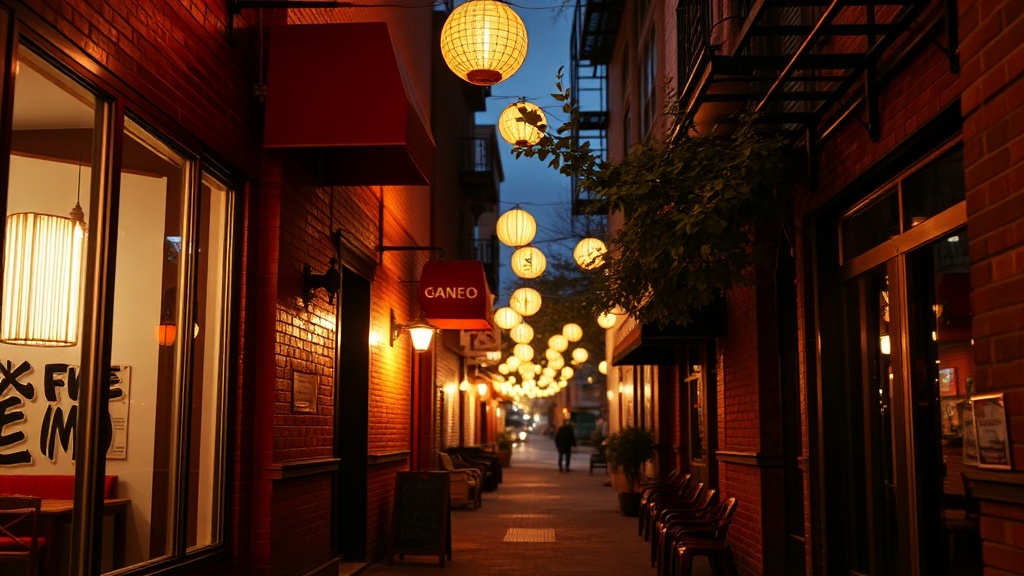
Finding Hidden Gems in the Alleyways of Whyte Avenue

Most people think the best parts of Whyte Avenue are the bright neon signs and the massive storefront windows facing the main street. They’re wrong. If you only walk the sidewalk on the main drag, you’re missing about 40% of the actual culture that makes this area special. This post is about the side streets and the narrow passages—the actual alleyways—where the real magic happens in Edmonton. We're looking at the hidden entrances, the back-door coffee spots, and the secret art installations that most tourists walk right past without a second glance.
It’s easy to stick to the main path. It's safe, it's predictable, and it's crowded. But the real character of the district lives in the shadows of the brick buildings. You’ll find the best small-batch roasters, the most intimate cocktail bars, and the most striking street art if you're willing to step off the curb and look for a door that doesn't have a giant sign above it.
Where Can I Find the Best Hidden Coffee in the Alleyways?
The best coffee in the area is often tucked away in small, unassuming entrances that look more like service doors than high-end cafes. You'll find that some of the most dedicated baristas in Alberta operate out of these smaller-footprint spaces because they prioritize quality over massive seating areas. It's a common trend here; the more "official" a place looks from the street, the more likely it is to be a chain. The real enthusiasts head to the side doors.
Take a look at how some of these shops operate. They might not have a massive window display, but the quality of the beans is often superior. If you're looking for a specific vibe, look for the spots that serve locally roasted beans like 102nd Ave or similar local favorites. It's about the ritual, not the spectacle.
Here is a quick breakdown of what to look for when you're hunting for a hidden gem:
- The "Doorway Test": Does the entrance look like a standard service door? If yes, keep walking—that's often where the best stuff is.
- The Scent Factor: You can often smell the roast before you see the sign. Follow your nose down the alley.
- The Seating Reality: Don't expect a velvet couch. Most alleyway gems focus on high-quality takeout or standing-room-only vibes.
I've spent enough time in these alleys to know that the most impressive shops often have zero signage on the main street. They rely on word-of-mouth and a dedicated following. It's a bit of a way of life in Edmonton—keeping the best stuff slightly out of sight. (Though, let's be honest, sometimes it's just because rent is cheaper back there.)
If you want to understand the history of how these buildings were constructed, you can check out the history of Edmonton's urban development on Wikipedia. It explains why these narrow-lot buildings exist in the first place.
What Kind of Art is Hidden in the Side Streets?
The art you find in the alleyways is primarily street art, murals, and temporary installations that aren't found in traditional galleries. This isn't the polished, curated art you see in a museum; it's raw, often political, and deeply connected to the local Edmonton scene. You'll see large-scale murals on the brickwork and smaller, stencil-based pieces near the ground level.
The city's culture is heavily influenced by its seasons. In the summer, the alleys become vibrant corridors of color. In the winter, the art is much more subtle—think light installations or even just the way the light hits the snow in the narrow passages. It's a different experience every few months.
A lot of this art is actually sanctioned. The city has specific programs to encourage muralists to use the blank walls of the district. It's a way to turn a functional space into a cultural landmark. It's not just random graffiti—it's a deliberate attempt to beautify the urban environment. That being said, you'll still see some unsanctioned work, which adds to the grit and authenticity of the area.
One of the best ways to appreciate this is to walk the area during the "golden hour." When the sun starts to dip behind the buildings, the shadows in the alleys change, and the colors of the murals become much more intense. It's a great time for photography, provided you aren't tripping over a delivery truck.
For those interested in the legalities of public art and street murals, the City of Edmonton official website provides guidelines on what is permitted in public spaces. It's worth a look if you're a local artist looking to make your mark.
| Feature | Main Street (Whyte Ave) | Alleyway Gems |
|---|---|---|
| Visibility | High (Huge signs, neon) | Low (Subtle, hidden doors) |
| Crowd Level | High (Heavy foot traffic) | Low (More intimate/quiet) |
| Vibe | Commercial & Polished | Authentic & Gritty |
| Primary Focus | Retail & Large Chains | Specialty & Small-Batch |
How Much Does a Secret Tour Cost?
There isn't a set price for "exploring," because the best way to see the alleyways is simply to walk them yourself. You don't need to pay for a guided tour to find the best spots. The "cost" is really just your time and a little bit of curiosity. If you're looking for a curated experience, there are occasional walking tours, but they can be pricey and often feel a bit too rehearsed.
If you do choose to go on a formal tour, expect to pay anywhere from $30 to $60 per person. However, I'd argue that the real value is in the spontaneous discovery. Finding a tiny cocktail bar through a door that looks like a basement entrance is a much more rewarding experience than following a group of twenty people with umbrellas. It's about the thrill of the hunt.
The real cost of exploring the alleys is the mental shift required. You have to stop looking at the street and start looking at the gaps between the buildings. Most people are too busy looking at their phones or the storefronts to notice the small, hand-painted sign pointing toward a hidden courtyard. It's a mindset thing.
I often tell my friends that if they want to truly understand the history of the arts district, they shouldn't look at the main displays. They should look at the textures of the walls and the way the buildings lean into one another. That's where the history is written.
Don't forget that many of these hidden spots have limited capacity. If you find a tiny bar or a niche bookstore through a side entrance, don't expect to walk in with a group of ten people. These spaces are designed for intimacy. They're small by design, and that's part of the charm. If you see a line forming at a side door, it's a good sign you've found something worthwhile.
The beauty of the area is that it's constantly changing. A shop that was a bakery last year might be a vintage clothing boutique through a back door this year. The alleyways are the lungs of the neighborhood—they breathe and change with the seasons and the local economy. Keep your eyes peeled, and don't be afraid to take a wrong turn. That's usually where the best stories start.