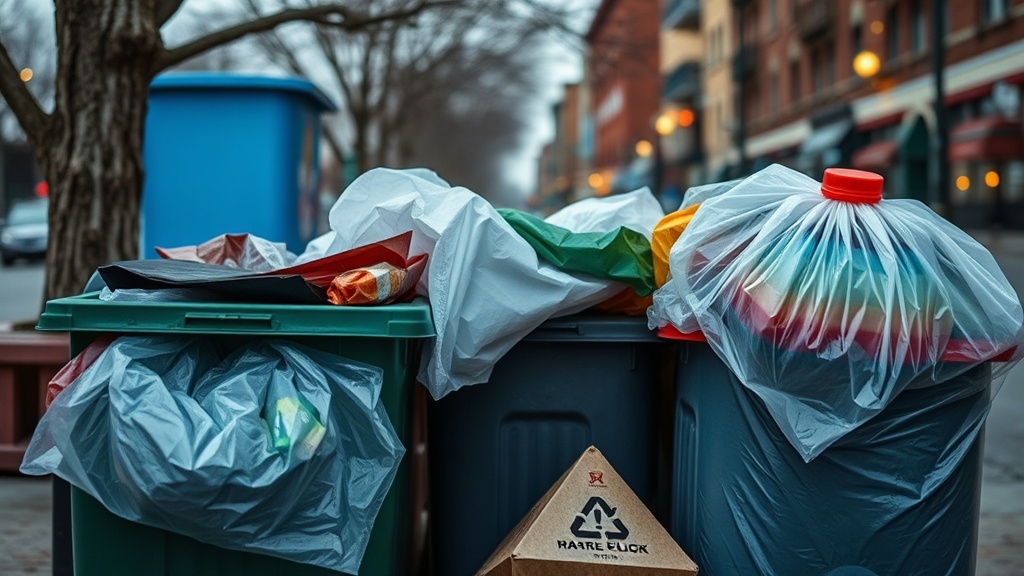
How to Handle Waste and Recycling Like a Local in Old Strathcona

There's a persistent myth that living in a mature neighbourhood means the city handles everything for us. The bins appear, the trucks roll through, and our streets stay clean without much thought. But anyone who's dealt with a missed pickup on a busy Whyte Avenue weekend—or watched garbage pile up behind a heritage building during a festival—knows that waste management in Old Strathcona requires a bit more know-how than simply dragging bins to the curb.
We're working with infrastructure that predates modern collection systems. Our back lanes weren't designed for today's truck widths. Our sidewalks see foot traffic from thousands of visitors weekly. And our community events—from the Old Strathcona Farmers' Market to street festivals—generate waste that doesn't fit neatly into residential schedules. Understanding how to handle these systems doesn't just keep our properties tidy—it helps our entire neighbourhood function smoothly.
When Exactly Does Collection Happen on My Block?
Edmonton's waste collection operates on a schedule, but Old Strathcona's layout creates quirks that don't apply to newer suburbs. Back lane access varies block by block—some lanes are too narrow for automated trucks, which means manual collection on different timelines. Corner lots on major arterials like 104 Street or Whyte Avenue sometimes have different pickup points than interior addresses.
Your collection day depends on your specific address zone. The city provides a collection schedule lookup tool where you can enter your address and receive your specific dates for garbage, recycling, and organics. Don't rely on what your neighbor says—double-check, because routes change seasonally and during festival periods.
Here are the key details to track:
- Black bins (garbage): Collected every two weeks—mark your calendar because it's easy to miss
- Blue bags (recycling): Weekly collection, but must be properly sorted or left behind
- Green carts (organics): Weekly, year-round, even in winter when decomposition slows
- Seasonal yard waste: Special collection periods in spring and fall with specific bag requirements
Set materials out by 7:00 AM on collection day—not the night before if heavy winds are forecast. We've all seen recycling scattered across 83 Avenue after a storm. Bring bins back within 24 hours; it's technically a bylaw requirement, but more importantly, it keeps our narrow sidewalks clear for pedestrians and wheelchair users.
Why Do Our Back Lanes Create Special Challenges?
Old Strathcona's back lane network is both a charm and a logistical puzzle. These narrow passages—some dating back over a century—weren't designed for modern waste trucks or the volume of bins we generate today. When a truck can't handle a tight corner behind heritage properties, collection crews adapt, but that adaptation sometimes means inconsistent service.
If your lane is frequently missed, there's usually a reason. Phone 311 to report it, but also check whether parked vehicles are blocking access. One car parked too close to a corner can prevent an entire block's collection. Talk to your neighbors—coordination solves most lane access problems better than complaints to the city.
Winter compounds everything. Snow accumulation narrows lanes further. Ice makes bin dragging treacherous. And the city prioritizes main road clearing over back lane maintenance. Keep a shovel handy for your bin path, and consider helping elderly neighbors who struggle with winter maneuvering. We've seen blocks where residents create informal rotation schedules—taking turns bringing multiple households' bins to collection points when lanes are impassable.
How Do I Get Rid of Large Items and Renovation Waste?
That vintage dresser that finally gave out. The renovation debris from your century home's kitchen update. The broken appliances that don't fit in any bin. Large item disposal trips up many Old Strathcona residents because our narrow properties lack the space for lengthy accumulation.
Edmonton offers Eco Stations—facilities where residents drop off large items, hazardous materials, and renovation waste. The closest to Old Strathcona is the Strathcona Eco Station on 99 Street, just south of our neighbourhood boundary. It's free for residential drop-off, though some materials (like certain electronics) have specific handling requirements.
For items in usable condition, think reuse first. The Edmonton Reuse Centre accepts craft supplies, small household items, and office materials. Local charities sometimes arrange pickup for furniture—call ahead because capacity varies seasonally. And yes, the "free" section at the curb works surprisingly well in our walkable neighbourhood; just ensure you remove items promptly if they don't get claimed.
Skip bins for major renovations require permits if placed on street property, and our narrow streets have strict placement rules. Contact the city well before your project starts—parking enforcement doesn't hesitate to ticket improperly placed waste containers during busy Whyte Avenue periods.
What About All the Waste from Community Events?
Living near Dr. Wilbert McIntyre Park or along Whyte Avenue means accepting that our streets serve dual purposes—we're residents, but we're also hosts to regional gatherings. The Old Strathcona Farmers' Market, summer street festivals, and holiday events generate waste that doesn't fit our residential systems.
Event organizers are responsible for cleanup, but the reality is more collaborative. Washroom facilities overflow. Food vendor packaging blows into residential yards. Parade remnants linger. As residents, we benefit from the economic activity these events bring—our local businesses depend on that foot traffic—so smart waste management during festival season protects both our quality of life and our neighbourhood's economic health.
Strategies that work for event-heavy periods:
- Secure your own bins on high-traffic weekends—curious visitors have been known to deposit coffee cups in open residential containers
- Keep extra bags handy for post-event sidewalk cleanup in front of your property
- Know the festival schedule so you can plan around collection disruptions
- Report overflowing public bins through 311 promptly; they get prioritized during event periods
How Can We Help Each Other Manage Better?
The most effective waste management in Old Strathcona happens neighbor-to-neighbor, not through city services. We've seen blocks where residents coordinate bin placement to ensure accessible paths for mobility devices. Others share bin space when a household generates extra waste during a move or renovation. Some organize informal lane cleanups after windy weeks when recycling scatters.
The Old Strathcona Neighbourhood Association sometimes organizes community cleanup days—volunteer mornings focused on collecting litter from lanes, parks, and boulevards. These aren't just about aesthetics. Clean public spaces reduce pest issues, improve safety, and reinforce the sense that we look out for one another.
If you're new to the area, introduce yourself to neighbors and ask about local patterns. Which lane corners freeze first in winter? Which houses have residents who need help with heavy bins? Which blocks coordinate their collection-day parking to ensure truck access? This knowledge doesn't appear in any city brochure—it's passed between people who share these streets.
Waste management sounds mundane until it stops working smoothly. Then it becomes urgent—missed collections attract pests, block access, and degrade the quality of life that makes Old Strathcona desirable in the first place. Taking a few minutes to understand our systems, our schedules, and our shared responsibilities keeps everything running the way it should. And honestly? There's something satisfying about knowing you've handled the basics properly—bin returned promptly, recycling sorted correctly, that awkward large item finally disposed of through the right channel. It's the small competence that makes neighbourhood life work.