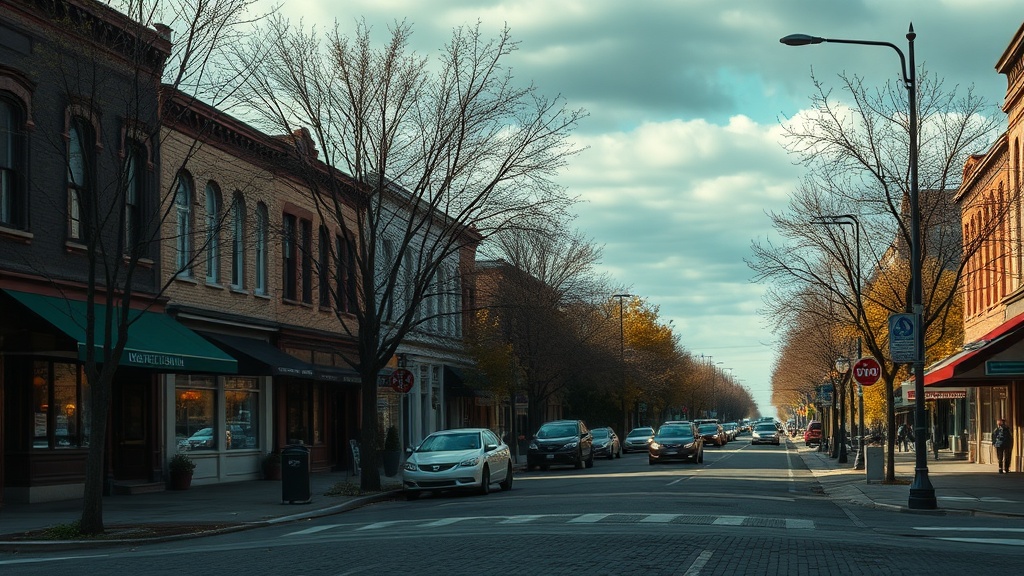
How to Influence the Future of Our Old Strathcona Streets and Parks

Did you know that despite being one of the most densely populated residential areas in Edmonton, Old Strathcona has less public green space per capita than almost any other mature neighbourhood in the city? It's a jarring statistic for those of us who walk these tree-lined streets every day. While visitors see Whyte Avenue as a place to grab a drink or catch a show at the Princess Theatre, we see a community that needs more than just bars and boutiques. This guide covers how you can step up and influence the physical changes happening in our backyard—because if we don't speak up, someone else will decide what our neighbourhood looks like.
Living in Old Strathcona means dealing with a unique set of challenges (and opportunities). From the massive construction projects on 83 Avenue to the ongoing discussions about the Old Strathcona Public Realm Strategy, there's always something shifting. It's easy to feel like these decisions happen in some distant office at City Hall, but the reality is that the city planners are actually quite desperate for local input. They need to hear from the people who actually have to find parking near 104 Street or who walk their dogs through the historic alleys behind the Farmers' Market.
Where do we find news about Old Strathcona rezoning and construction?
The first step to having a say is knowing what's actually on the table. In Old Strathcona, the city is required to post those big yellow signs whenever a property owner wants to change the zoning of their land. You've seen them—they're usually tucked into a front yard or taped to a window. Don't just walk past them. Those signs are the most direct way to find out if a four-story apartment is about to replace a 1920s bungalow. Each sign has a file number and a website link where you can view the specific plans and leave your comments.
For a more proactive approach, we should all be checking the City of Edmonton’s online development map. It's a handy tool that lets you filter by neighbourhood. When you search for Old Strathcona, you'll see every active permit and rezoning application in the area. It’s often the best way to catch wind of a project before the construction crews arrive. Plus, you can sign up for email alerts that ping you whenever a new application is filed within a few blocks of your home—a simple way to stay in the loop without having to go hunting for info.
How can Old Strathcona residents influence City Council decisions?
Once you know about a project, the real work begins. If a rezoning application in Old Strathcona goes to a Public Hearing, any resident can register to speak. You don't need to be an urban planner or a lawyer to do this. In fact, councillors often prefer hearing from actual neighbours rather than paid consultants. You get five minutes to explain why a project works or why it doesn't. If you're nervous about speaking in person, you can always send a written submission. These are compiled into a report that every councillor reads before they vote.
Another vital avenue is contacting our Ward councillor directly. We are part of the ward that covers the heart of the south side, and our representative is tasked with listening to our community concerns. Sending a personal email (not a template) about a specific issue in Old Strathcona carries a lot of weight. Whether it's the lack of lighting in the park or the speed of traffic on 82 Avenue, these direct communications often spark the inquiries that lead to real policy changes. It’s about building a relationship with the office so they know which voices to trust when things get heated.
What role does the Strathcona Community League play in our daily lives?
If you aren't already a member of the Strathcona Community League, you're missing out on the most powerful advocacy tool we have. Based out of the hall at 10139 87 Ave, the league isn't just about skating rinks and soccer programs (though those are great). They have a dedicated civics committee that spends hours reviewing every single planning application that comes through Old Strathcona. When the league speaks at a hearing, they represent the collective voice of hundreds of households, which naturally has more impact than a single resident acting alone.
Joining the league also gives us access to community-only meetings where we can hash out our own vision for the area. Remember when the 83 Avenue bike lanes were first proposed? It was the community league that pushed for better snow clearing and safer crossings for pedestrians. They act as a buffer between us and the city, translating complex technical reports into something we can all understand. It's a small yearly fee that pays off in the form of a better-protected neighbourhood and a stronger sense of belonging.
Why does heritage preservation matter in Old Strathcona?
We can't talk about our future without looking at our past. Old Strathcona was actually its own city until 1912, and that independent spirit is still baked into the brickwork of the buildings on Whyte Avenue. Protecting our historic commercial district isn't just about nostalgia; it's about maintaining the character that makes people want to live here in the first place. When a historic building is torn down, it’s gone forever, and it’s usually replaced by something far less interesting. We have to be the ones to advocate for heritage tax credits and preservation grants that help owners keep these old beauties standing.
Participating in the Old Strathcona Public Realm Strategy is a huge part of this. This strategy is looking at how we can make the area more walkable and more vibrant while still respecting the history. It covers everything from widening sidewalks to adding more public art and benches. By showing up to the workshops and filling out the surveys, we ensure that the planners don't turn our neighbourhood into a generic outdoor mall. We want Old Strathcona to feel like the lived-in, slightly gritty, and deeply historic place that it is—not a sanitized version of itself designed for tourists.
How do we handle the balance between growth and tradition?
Change is inevitable in a place as popular as ours. We have to be realistic—Old Strathcona is going to grow. The key is making sure that growth is smart. Instead of just fighting every new building, we should be asking for better design. We can push for ground-floor retail that keeps the street lively, or for more family-sized apartments so that people don't have to move to the suburbs when they have kids. It's about being pro-neighbourhood, not just anti-development. We can welcome new neighbours while still demanding that new projects contribute something positive to the community fabric.
Next time you see one of those yellow signs or get a flyer in your mailbox about a community meeting at the SCL hall, take ten minutes to engage. Our community is only as strong as the people who show up for it. Whether it's a quick survey response or a trip down to City Hall, your voice is a necessary part of the process. We have a chance to shape the next hundred years of Old Strathcona history—let's make sure we do it right.